
Neuroplasticity

Creativity is an important part of our physical and mental existence. Mihaly Csikszentmihalyi suggests that, from a Darwinian evolutionary perspective, “creativity is the cultural equivalent of the process of genetic changes that result in biological evolution, where random variations take place in the chemistry of our chromosomes” (Csikszentmihalyi 1996:7).

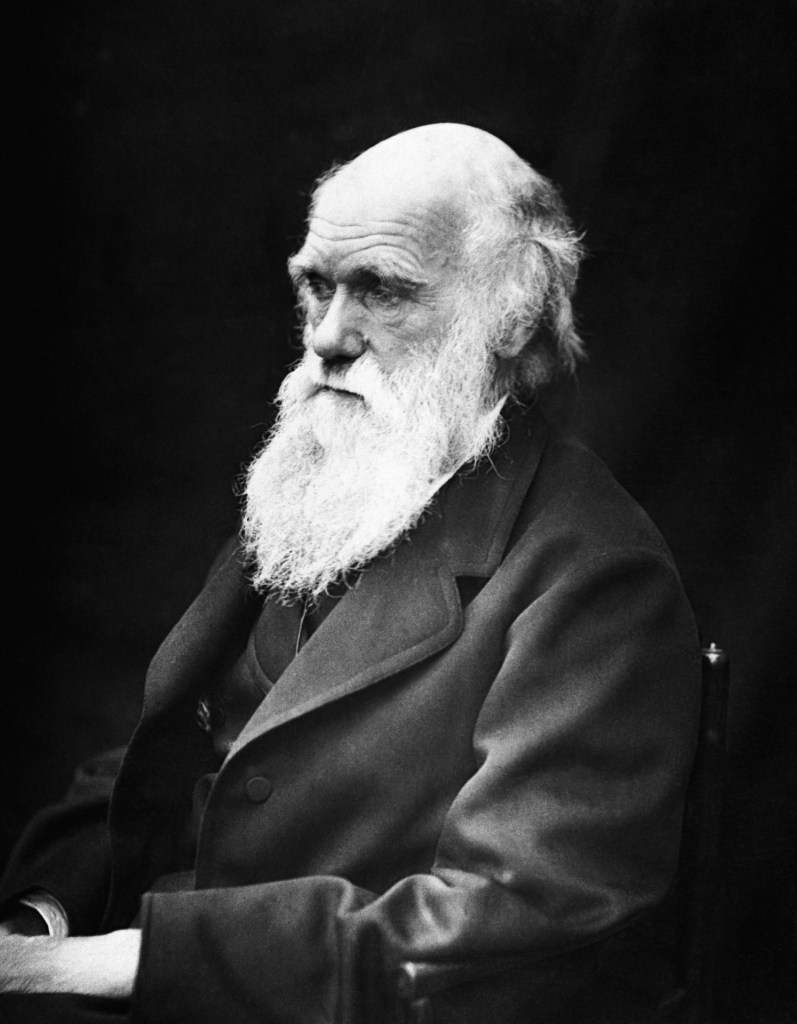
Darwin’s Origin of Species was based on adaptation capability, a result of the creative randomness and improvised variation built into our evolving gene pool (Darwin 1859). It is the subtlety of improvisational nuance that defines evolution, and although the expression survival of the fittest might work well in sports analogies, it was not a part of Charles Darwin’s thesis, nor was it connected in any way to his evolutionary theory. Creativity is naturally built into our bodies, both chemically and intellectually, and it is an important component in the process of adaptation and, ultimately, our survival as a species.

Neuroplasticity refers to the brain’s ability to adapt at the synaptic and cortical levels to physical, emotional, environmental, and behavioural changes. For example, if the physical state of the brain is altered as a result of an accident or a stroke, the brain has the potential to relearn in another area some of the functionality that was lost or damaged. In The Brain’s Way of Healing, Dr. Norman Doidge discusses medical cases that examine where, using noninvasive therapy (sound, vibration, movement, light), patients experience dramatically improved quality of life.

Reduced chronic pain, brain injury recovery, and an improvement in many symptoms associated with a variety of health issues are attainable without traditional medical intervention, including autism, Parkinson’s disease, attention deficit disorders, and learning disabilities (Doidge 2015).

Darwin’s adaptation theory included both physical and mental changes based on a naturally evolving series of improvised solutions. The brain is able to create new connections and invent ways to rebuild itself (Rx Music 2020).

Velocity of Money

The velocity of money is a term used by economists to describe the number of times one unit of money is used to buy goods and services per one unit of time. Under the broader definition, income velocity refers to transactions involving domestically-produced goods and services, and transaction velocity includes these goods and services plus financial services activity.

The velocity of money is an indicator for the movement of cash in the economy. During recessionary times, the velocity of money is typically low as individuals and corporations tend to save and conserve. When the economy is booming and inflation may be high, money can burn a hole in your pocket, and the tendency is to spend (and receive) more quickly and more often. Either of these conditions could be considered good or bad for a variety of reasons, but it is typically more desirable to have money changing hands more often; it is a sign of an active and stimulated economy.

Trickle-down economics (for example, the 2017 trillion-plus dollar tax benefit given to corporations and the wealthy) might not be the most efficient form of governmental support for the economy. What if the 2017 trillion-plus dollars of trickle-down Trumponomics was instead divided evenly and given to each individual in the United States? This would have put approximately $4,000 into the hands of each man, woman, and child in the country.

It is almost certain that the vast majority of this cash would end up back in circulation stimulating the economy through locally purchased goods and services. Some of these funds would be clawed back to government on a transactional basis through both income taxes (higher earners have higher marginal income tax rates) and sales taxes (the higher velocity of each dollar would reap and return more taxes).

Parking cash in the stock market has no societal benefit in this model. The financial services industry does not create value in the traditional sense as it does not contribute to a goods and services framework except through money management, hence the separate definition for transaction velocity versus income velocity. Likewise, growth in the stock market has little value in the health of the economy as the velocity and potential benefit to operational activity is negligible.

A rising stock market is of value only to the segment of the population that is most invested in it – wealthy individuals and cash-rich corporations. As far as participation goes, the middle class is typically not well-invested in the stock market as many have their assets tied up in home ownership (especially the boomer generation), and the poor typically have no discretionary income available to devote to this type of activity.

Extra funds directed toward the top 1% typically end up in the stock market providing no societal economic benefit (Rx Music 2020).